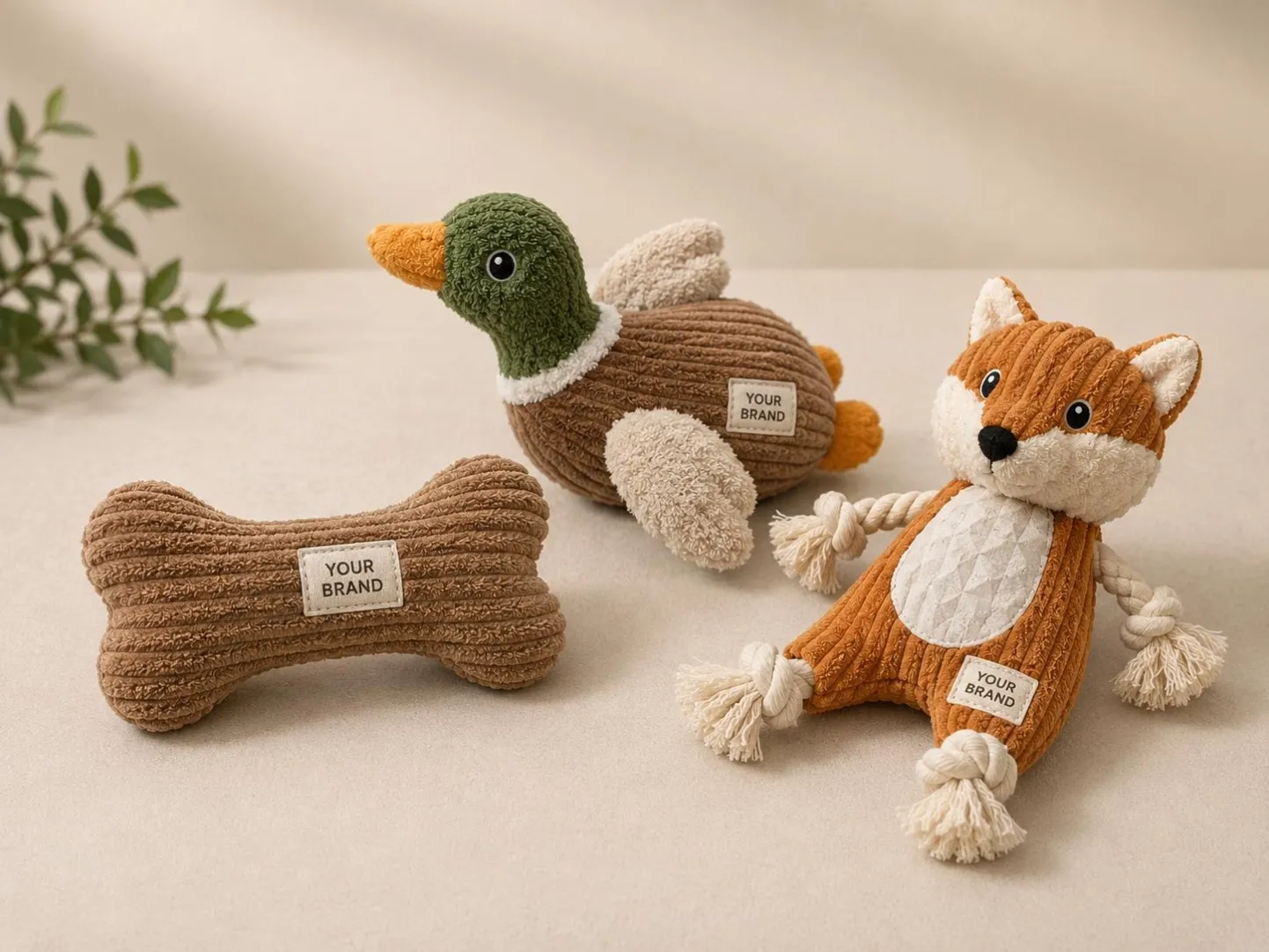
Oct 22, 2026Pet Product Sourcing
How Much Does It Cost to Manufacture Custom Plush Dog Toys?
Learn what affects custom plush dog toy manufacturing costs, from fabric and squeakers to sampling, packaging and MOQ. A practical sourcing guide for pet brands.
How Much Does It Cost to Manufacture Custom Plush Dog Toys? MOQ, Sampling & Pricing Guide
One of the first questions pet brands ask when developing a new plush dog toy is simple: how much will it cost to manufacture?
Unfortunately, there isn't one standard price for every custom plush toy.
A small squeaky duck made from an existing fabric can have a very different production cost from a detailed character with multiple materials, embroidered features and specially developed packaging.
For emerging pet brands, understanding these differences is important. A low unit price may look attractive, but it doesn't always include the features, development work or packaging required for a finished retail product.
At JABARI PET, we help pet brands, retailers and private-label businesses source custom plush dog toys through manufacturing partners in China. Our starting MOQ is 300 pieces per design per color, with quotations available for 300, 500 and 1,000 pieces.
Here are the main factors that influence manufacturing costs and what buyers should prepare before requesting a quotation.
1. Toy Size Is Important, but It Doesn't Tell the Whole Story
A larger plush toy usually requires more fabric and filling than a smaller one.
However, size alone doesn't determine the manufacturing price.
Imagine two dog toys with similar dimensions.
The first is a simple plush bone made from one fabric, with basic embroidery and a standard squeaker.
The second is a giraffe with a long neck, four legs, several fabric colors, embroidered eyes and a textured body.
Even if both toys use a similar amount of material, the giraffe may require more pattern pieces, cutting operations and sewing time.
This is why manufacturers often need reference images before they can provide a meaningful quotation.
For an initial inquiry, buyers should provide the approximate height, width and thickness rather than describing a toy only as small, medium or large.
2. Fabric Selection Can Change the Unit Cost
Different plush fabrics have different prices, widths, thicknesses and manufacturing characteristics.
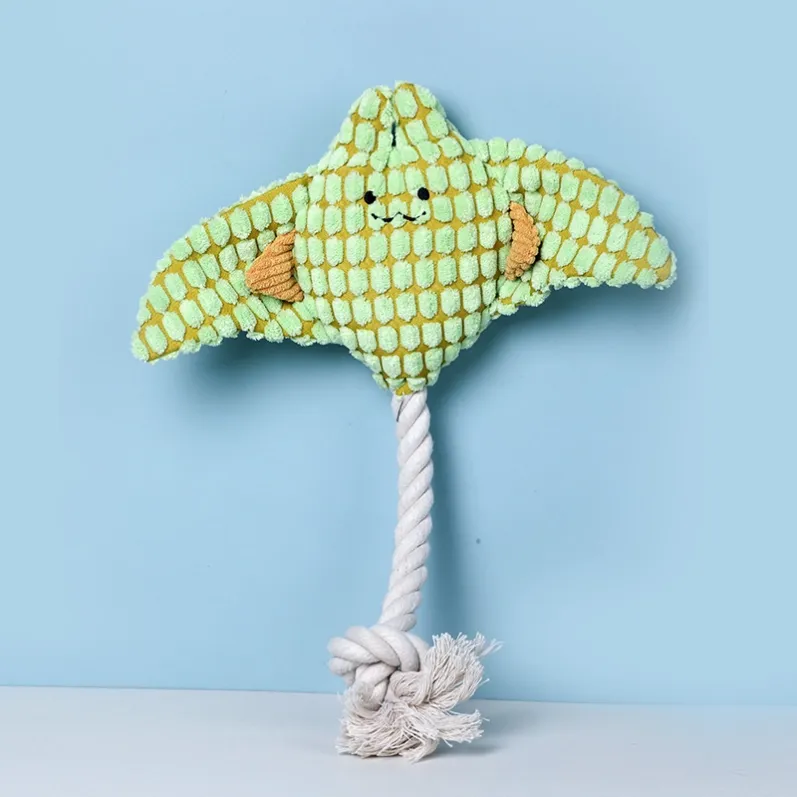
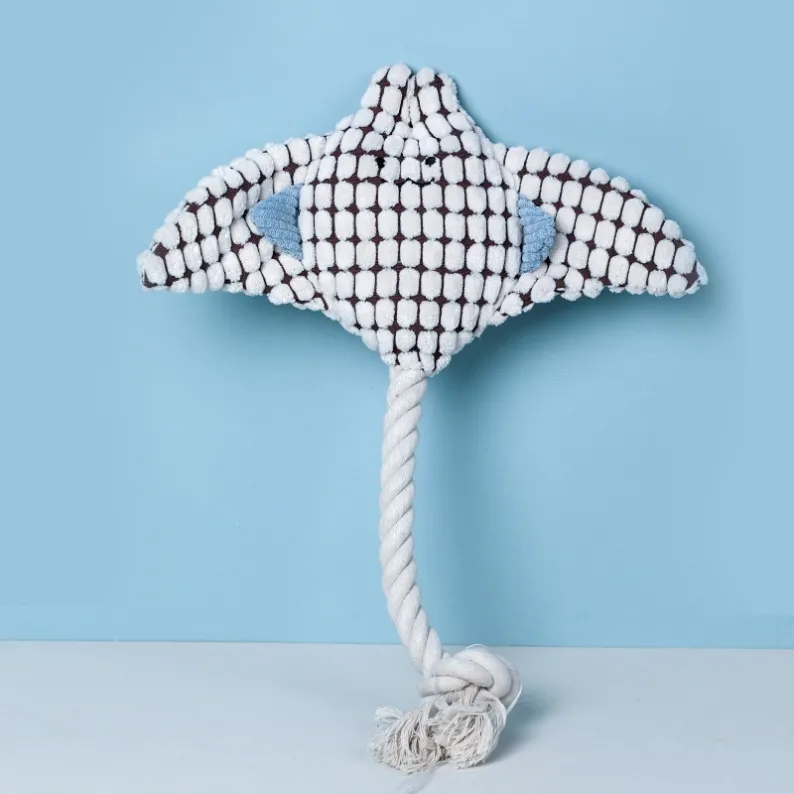
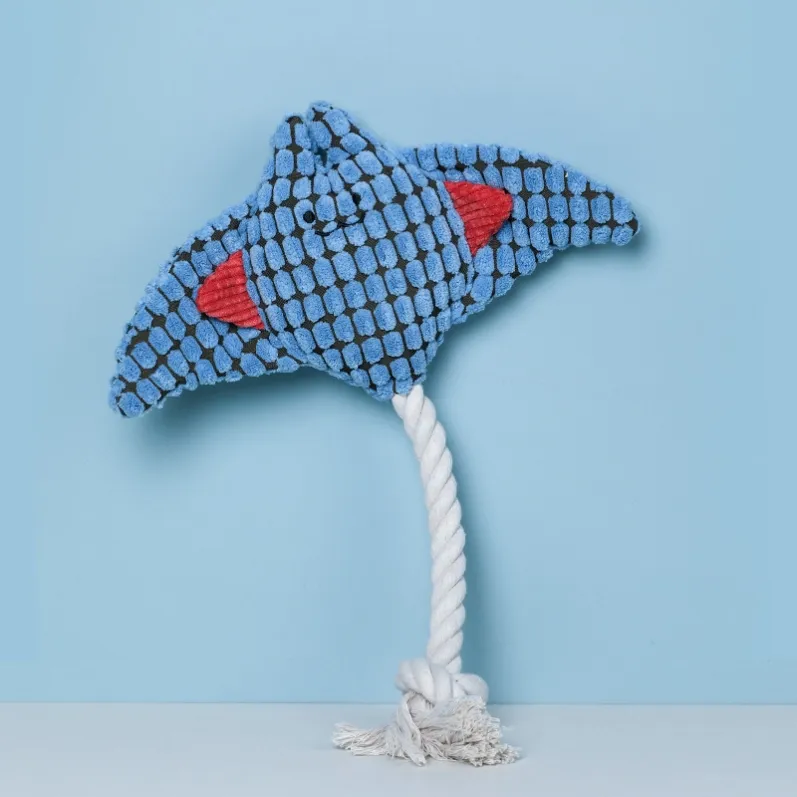
Common materials used in custom plush development include short-pile plush, corduroy, fleece and sherpa-style fabrics.
Short-pile plush can be suitable for many animal-shaped designs, especially when the product includes embroidered facial details.
Corduroy provides a recognizable ribbed texture and can be attractive for design-led pet collections.
Sherpa-style materials create a fluffy appearance, although their suitability for active dog play requires careful evaluation.
The fabric price is only part of the calculation.
Manufacturers also consider how efficiently the pattern pieces can be cut from the available material.
A design with unusual shapes may create additional fabric waste.
For smaller orders, using available fabric colors can sometimes be more economical than requesting custom-dyed material.
Before selecting a fabric, ask whether the supplier has suitable stock colors and whether the material meets the requirements of the intended product.
3. How Much Does a Squeaker Add to the Cost?
Squeakers are a common feature in plush dog toys, but not every squeaker has the same specification or price.
Components can vary in size, shape, material and sound characteristics.
A simple toy may use one standard squeaker, while a more complicated design might require a different component or multiple sound features.
The cost is not limited to the squeaker itself.
Its position and installation may influence the construction of the toy.
For example, a long animal-shaped plush toy may require additional consideration to ensure the selected squeaker can be compressed during play.
Buyers should also evaluate the risk of internal components becoming accessible if the toy is damaged.
Before requesting a quotation, decide whether a squeaker is essential to the design or simply an optional feature.
If you're unsure, ask the supplier to recommend suitable components during sampling.
4. Embroidery, Labels and Small Details
Embroidery can make a plush character more distinctive.
A simple embroidered face may require relatively little work, while a detailed character with multiple colors and decorative elements can involve more complicated embroidery.
The number of stitches, design size, thread colors and placement can all affect cost.
For pet toys, embroidered facial details may also be preferable to certain detachable plastic decorations.
However, embroidery does not eliminate the need to assess the finished product's safety.
Branding is another consideration.
A woven label, printed hang tag or custom retail package may seem like a small addition, but these items should be included in the original quotation.
Otherwise, the final cost may be higher than the initial estimate.
For a first collection, it's often worth keeping decorative details simple and investing more attention in the product's overall shape, fabric and construction.
5. Why Does Custom Plush Toy Sampling Cost Money?
When a brand supplies an original illustration, the manufacturer needs to translate that design into a physical product.
This may involve pattern development, material sourcing, embroidery preparation, cutting, sewing, filling and manual adjustments.
The first sample is rarely just a miniature version of mass production.
It is part of the development process.
For example, a cartoon character may look balanced in a two-dimensional illustration but require changes to its head, legs or body proportions when converted into fabric.
A plush animal with a long neck may also need adjustments to maintain the intended shape.
These development steps take time and materials, even when the final production order is relatively small.
At JABARI PET, sample charges are evaluated according to the design and development requirements.
We recommend confirming the sample fee, included revisions and shipping cost before starting a custom project.
6. Understanding MOQ: 300, 500 and 1,000 Pieces
Minimum order quantity is an important part of the cost calculation.
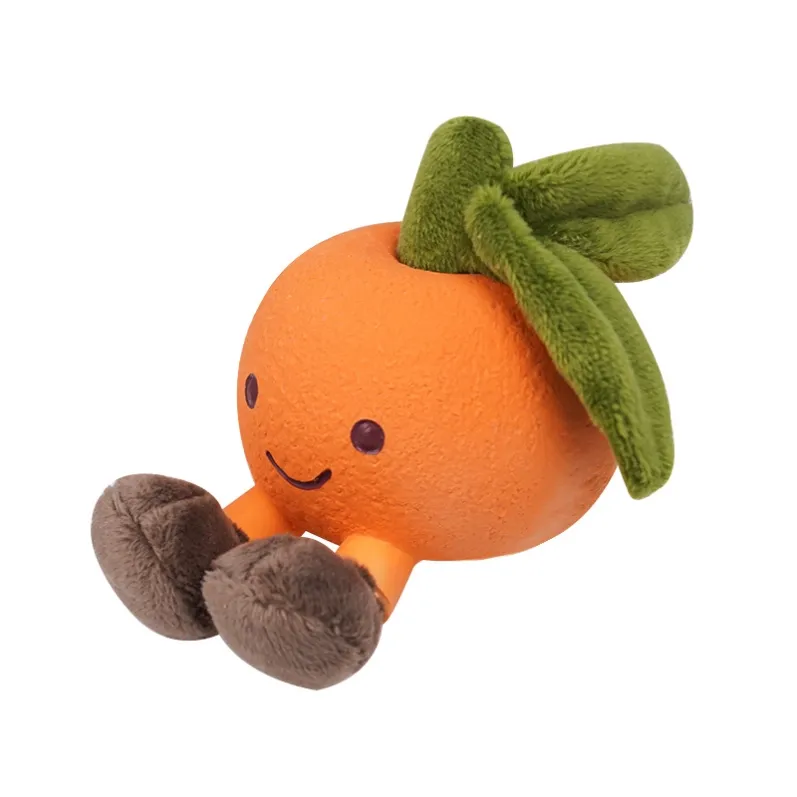
Our starting MOQ for custom plush toys is 300 pieces per design per color.
This means that different designs and colors are counted separately.
For example:
Order plan | Minimum quantity |
|---|---|
One duck design, one color | 300 pcs |
One duck design, two colors | 600 pcs |
Three animal designs, one color each | 900 pcs |
Three designs, two colors each | 1,800 pcs |
Buyers can request pricing for 300, 500 and 1,000 pieces per design per color.
A larger order may allow certain production costs to be spread across more units, but the actual price difference depends on the design, materials and factory quotation.
It's worth comparing the total order investment, not only the unit price.
A lower price at 1,000 pieces may not be the best decision for a new brand if the additional inventory is likely to remain unsold.
For an initial launch, 300 pieces per design per color may be a more manageable starting point.
7. Private Label or Full OEM: Which Is More Economical?
There are two common ways to develop a plush toy collection.
Private Label Development
A brand selects an existing design or established construction and customizes selected details, such as colors, labels or packaging.
This approach may reduce development complexity when suitable materials and patterns are already available.
Full OEM Development
A brand provides an original character, illustration or technical design that requires new pattern development.
This offers greater differentiation but may involve more sampling work and additional production steps.
Neither approach is automatically better.
For a small pet brand launching its first collection, using an established construction with customized branding may be a practical option.
For a brand with a recognizable mascot or original character, full OEM development may be worth the additional investment.
The right choice depends on how important exclusivity and original design are to the business.
8. Don't Forget Packaging and Shipping Costs
A factory quotation is only one part of the final product cost.
Buyers should also consider packaging, inspection, testing, freight, import duties and other destination-specific charges.
Plush toys can be relatively lightweight but bulky.
This means shipping costs may be influenced by carton dimensions and chargeable volume, not simply the weight of the goods.
Packaging choices can make a difference.
For example, a simple individual bag may have a different cost and shipping profile from a custom retail gift box.
Before approving packaging, buyers should consider how the products will be sold.
A boutique retail collection may need presentation-ready packaging, while an e-commerce seller may prioritize protection, labeling and shipping efficiency.
For US, EU and UK markets, applicable product labeling, safety and traceability requirements should also be reviewed.
9. How to Compare Quotations From Different Suppliers
Comparing two factory quotations can be difficult when the suppliers are not pricing the same specification.
One quotation may include embroidery, squeakers and individual packaging.
Another may exclude some of these components.
Before comparing prices, confirm that both quotations use the same:
- Product dimensions and design
- Fabric type and material specifications
- Filling and squeaker requirements
- Embroidery and branding details
- Packaging specifications
- Order quantity and delivery terms
It is also worth clarifying whether sample fees, testing and shipping are included or quoted separately.
A clear product specification makes it easier to understand why one supplier's price differs from another's.
It also reduces the likelihood of unexpected changes after sample approval.
10. What Should Brands Prepare Before Requesting a Quote?
You don't need a complete technical drawing to begin discussing a custom plush dog toy.
A clear reference image and a few essential details can be enough for an initial review.
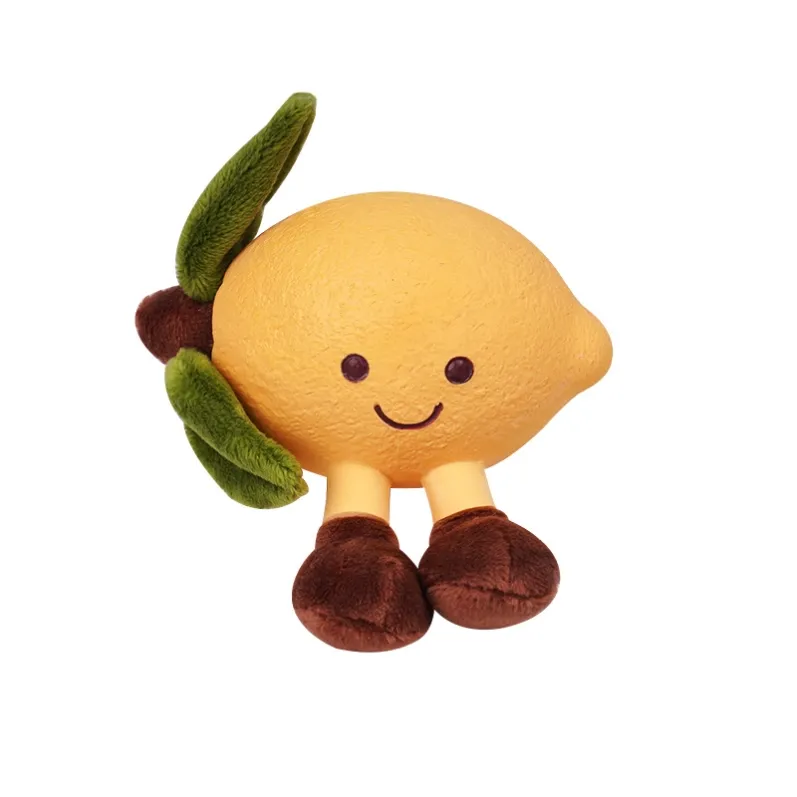
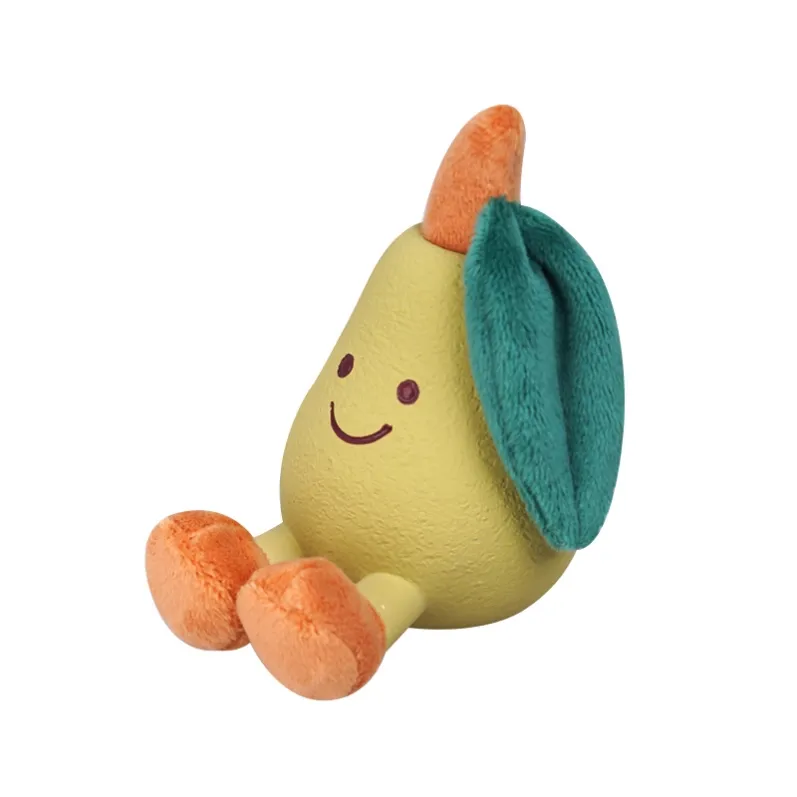
The most useful information includes the proposed design, approximate dimensions, preferred fabric, interactive features, branding requirements, quantity and target market.
If the product is intended for dogs, tell the supplier how it is expected to be used.
A decorative plush mascot and a squeaky toy intended for chewing may require different construction decisions.
For original characters, it also helps to provide artwork showing more than one angle.
Front, side and back views can make it easier for the manufacturer to understand the intended proportions.
The more clearly you communicate your requirements, the more useful the initial quotation will be.
11. How Can New Pet Brands Control Their Initial Investment?
Starting with fewer designs is often a sensible way to manage development costs.
Rather than launching ten different characters, a brand might begin with two or three coordinated toys.
Using available fabric colors, shared materials and consistent packaging can also simplify sourcing.
However, reducing costs should not mean ignoring product safety or removing important quality requirements.
For dog toys, seam construction, component security and material suitability deserve particular attention.
It is better to develop a smaller collection properly than to launch a large assortment with unresolved product issues.
A successful first order should provide useful information about customer demand, product feedback and future reorder potential.
12. Custom Plush Dog Toy Manufacturing With JABARI PET
JABARI PET supports pet brands, retailers, distributors and private-label businesses sourcing custom pet products from China.
Through our plush manufacturing partners, we can help review original designs, explore suitable materials, discuss customization options and coordinate sampling.
Our starting MOQ is 300 pieces per design per color, with quotation options for 300, 500 and 1,000 pieces.
We understand that many emerging brands want to create something distinctive without committing to unnecessarily large production quantities.
Our approach is to review each project based on its design, material requirements and commercial feasibility.
Request a Custom Plush Dog Toy Quotation
Planning to develop your own plush dog toy collection?
Send us your artwork or reference images, approximate dimensions, preferred materials, squeaker requirements, branding details and expected quantity.
We can review the concept and discuss suitable OEM/ODM sourcing options.
MOQ: 300 pieces per design per color
Available quotation quantities: 300 / 500 / 1,000 pieces
JABARI PET
Share your product concept with us to discuss the next steps for your custom plush dog toy project.