Jul 29, 2026Pet Product Manufacturing
Why Premium Materials Matter More Than New Designs for Growing Pet Brands
Discover why premium materials help pet brands build stronger collections, improve customer satisfaction and create long-term value through OEM product development.
Why Premium Materials Matter More Than New Designs for Growing Pet Brands
Many new pet brands believe that launching a successful collection depends on creating an entirely new design.
In reality, experienced buyers know that long-term success often comes from something much less obvious—material selection.
Across the UK, Europe and the United States, many boutique pet brands continue to use familiar product structures while refreshing their collections through upgraded fabrics, custom webbing, premium hardware and refined finishing details.
Customers may notice the colours first, but they remember how the product feels, performs and lasts.
For retailers, Amazon sellers and private label brands, choosing better materials is often a smarter investment than introducing another design that looks different but performs the same.
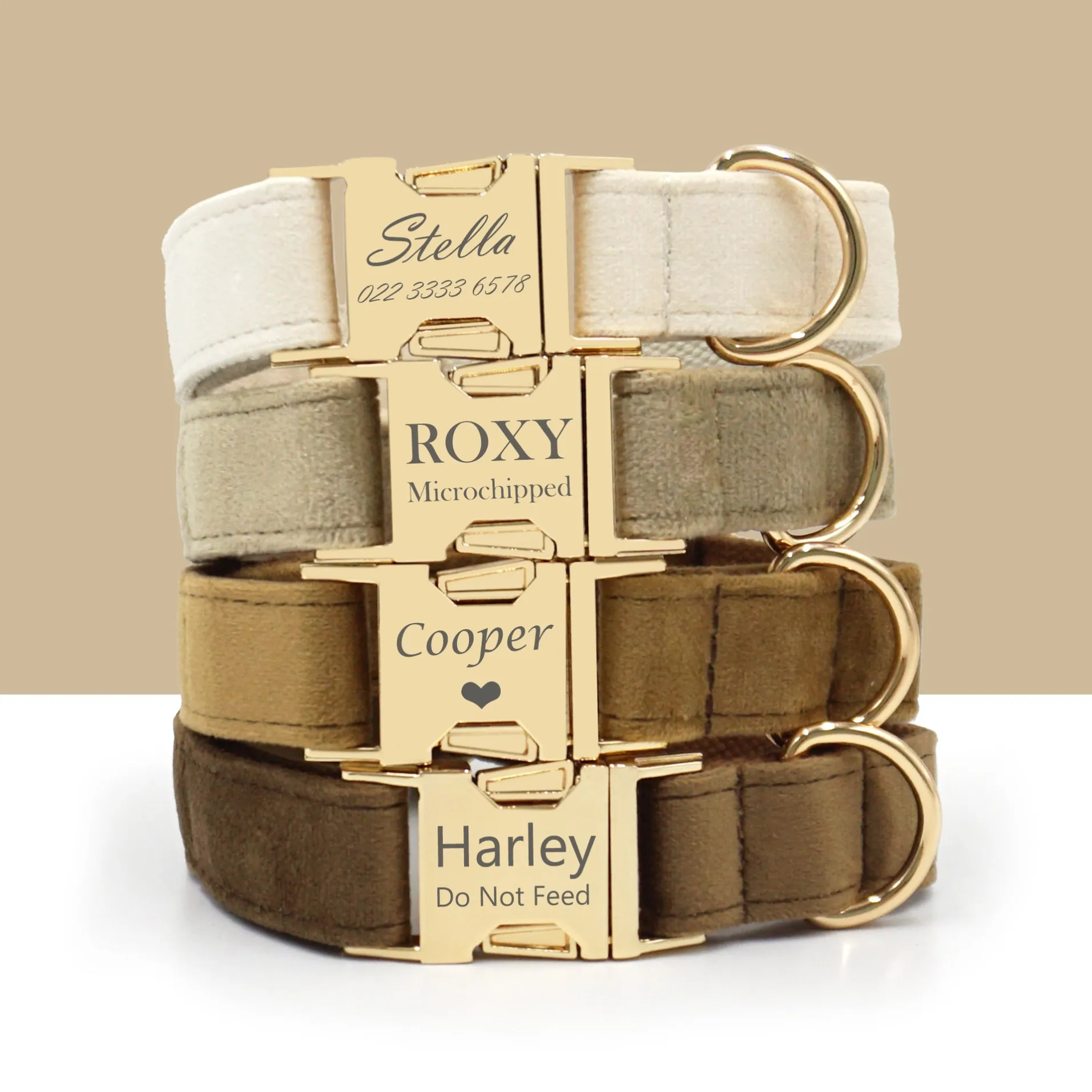
The Shift from Design-Led to Quality-Led Collections
A few years ago, many brands competed by releasing new patterns every season.
Today, buying decisions are increasingly influenced by quality, comfort and durability.
Consumers expect products that:
- Feel comfortable during daily use
- Maintain their appearance after repeated washing
- Resist fading and deformation
- Match the premium image of the brand
As a result, material selection has become a key part of product development rather than a decision made only after the design is finished.
Material Choice Shapes Brand Positioning
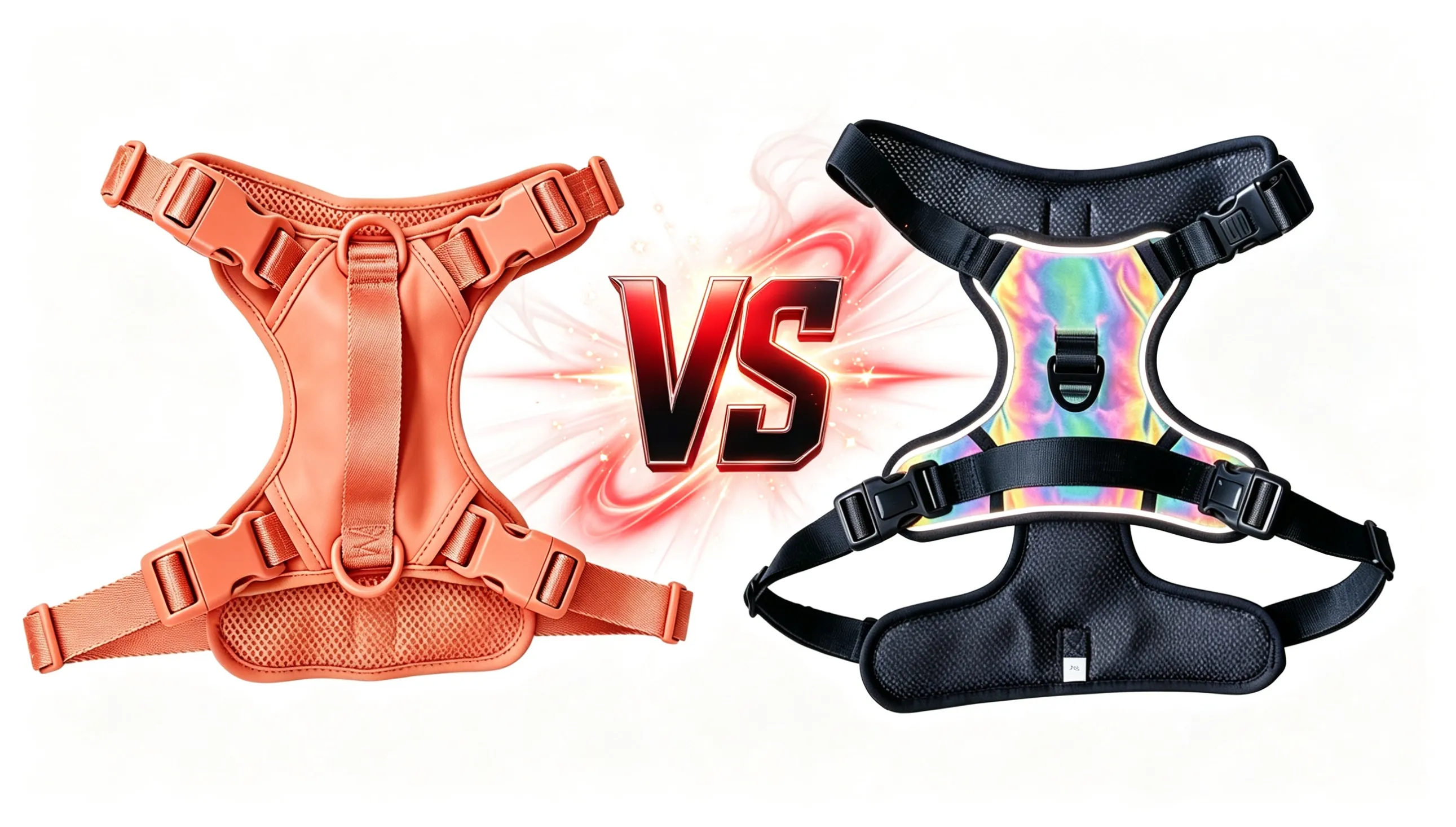
The same dog harness can appeal to completely different customers depending on the materials selected.
Soft Neoprene
Neoprene remains one of the most popular choices for premium walking collections.
Benefits include:
- Comfortable padding
- Smooth surface for printing or embroidery
- Good durability
- Suitable for everyday use
It is commonly chosen by boutique lifestyle brands that want a balance between comfort and appearance.
Breathable Air Mesh
For active dogs or warmer climates, breathable mesh offers practical advantages.
Benefits include:
- Better airflow
- Reduced weight
- Faster drying
- Improved comfort during outdoor activities
Many summer collections combine mesh with lightweight webbing to improve wearability.
Jacquard Webbing
Instead of printing logos, many premium brands are investing in custom jacquard webbing.
Advantages include:
- Woven brand identity
- Long-lasting appearance
- Premium texture
- Strong product recognition
Although the initial development cost is higher, jacquard webbing helps create collections that are immediately identifiable without relying on large printed logos.
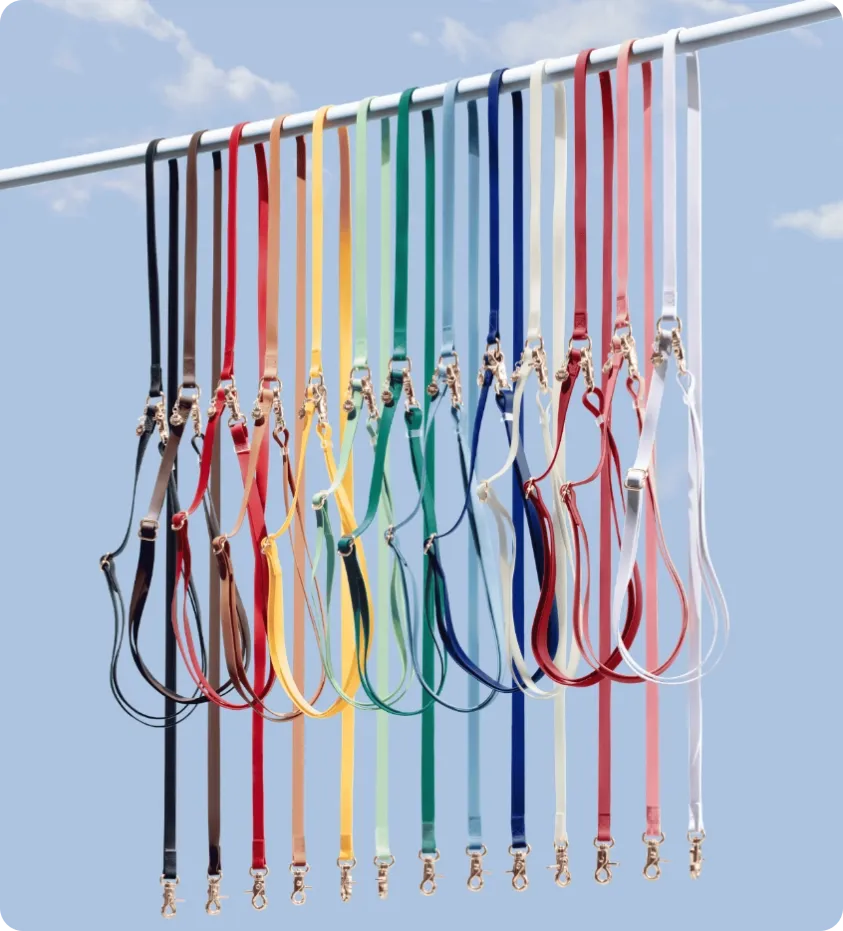
Waterproof Coated Webbing
Outdoor and adventure collections continue to grow across international markets.
Waterproof webbing offers:
- Easy cleaning
- Water resistance
- Modern appearance
- Long service life
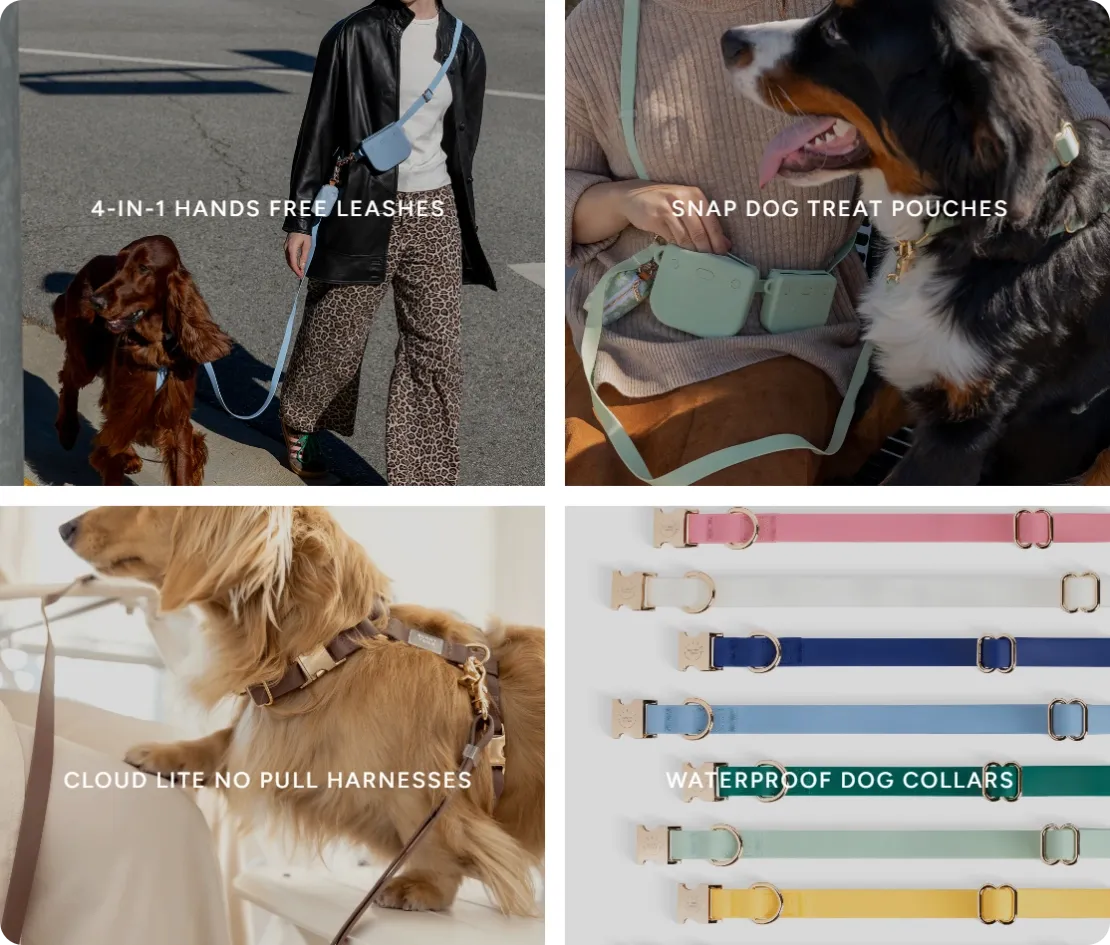
This material is increasingly used in leashes, collars and travel accessories.
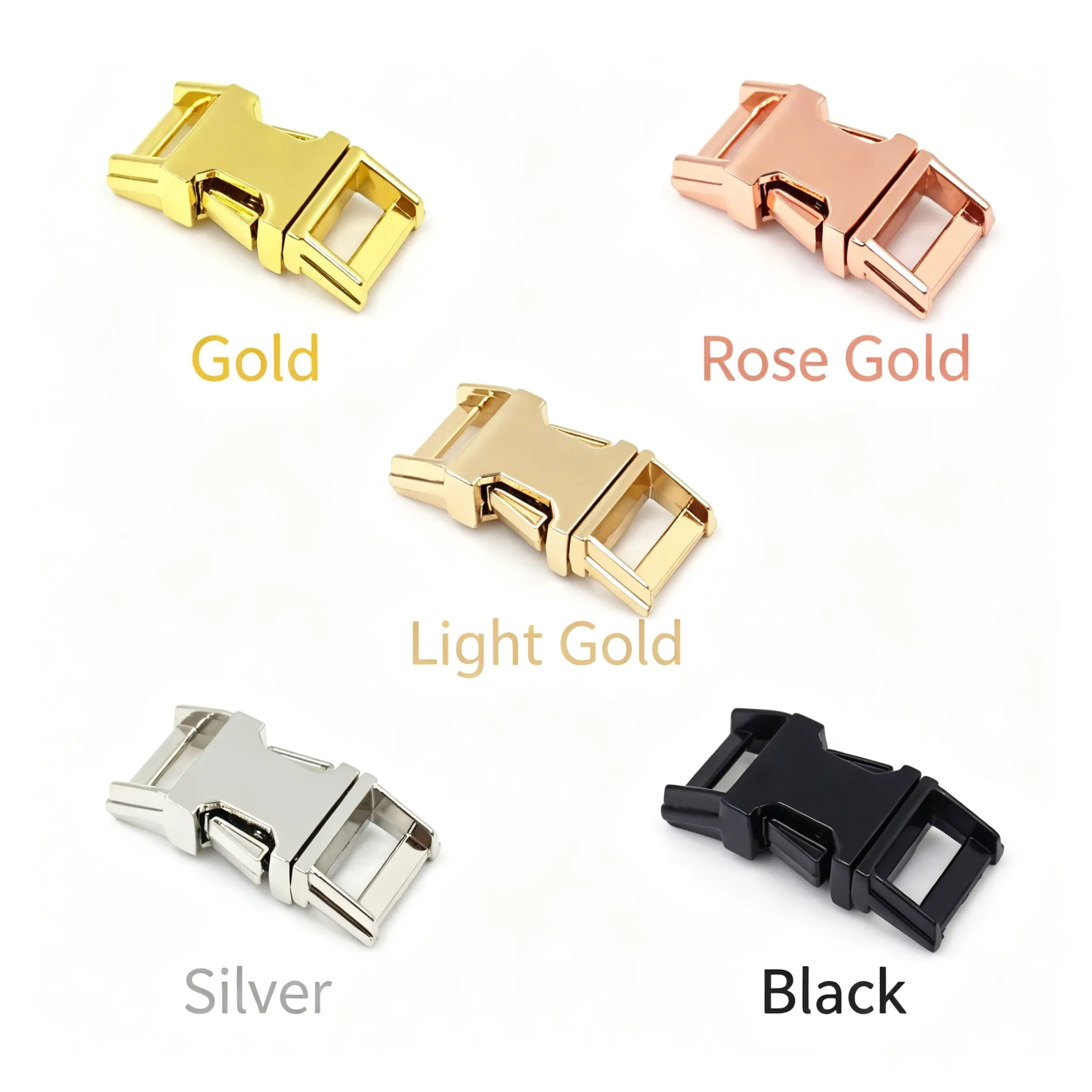
Premium Hardware Makes a Visible Difference
Customers often notice buckles, D-rings and adjustment components before they evaluate the fabric.
Low-quality hardware can quickly reduce the perceived value of an otherwise attractive product.
Growing brands increasingly choose:
- Matte metal finishes
- Custom logo buckles
- Strong zinc alloy hardware
- Colour-matched plastic components
Small details create a more professional product and improve customer confidence.
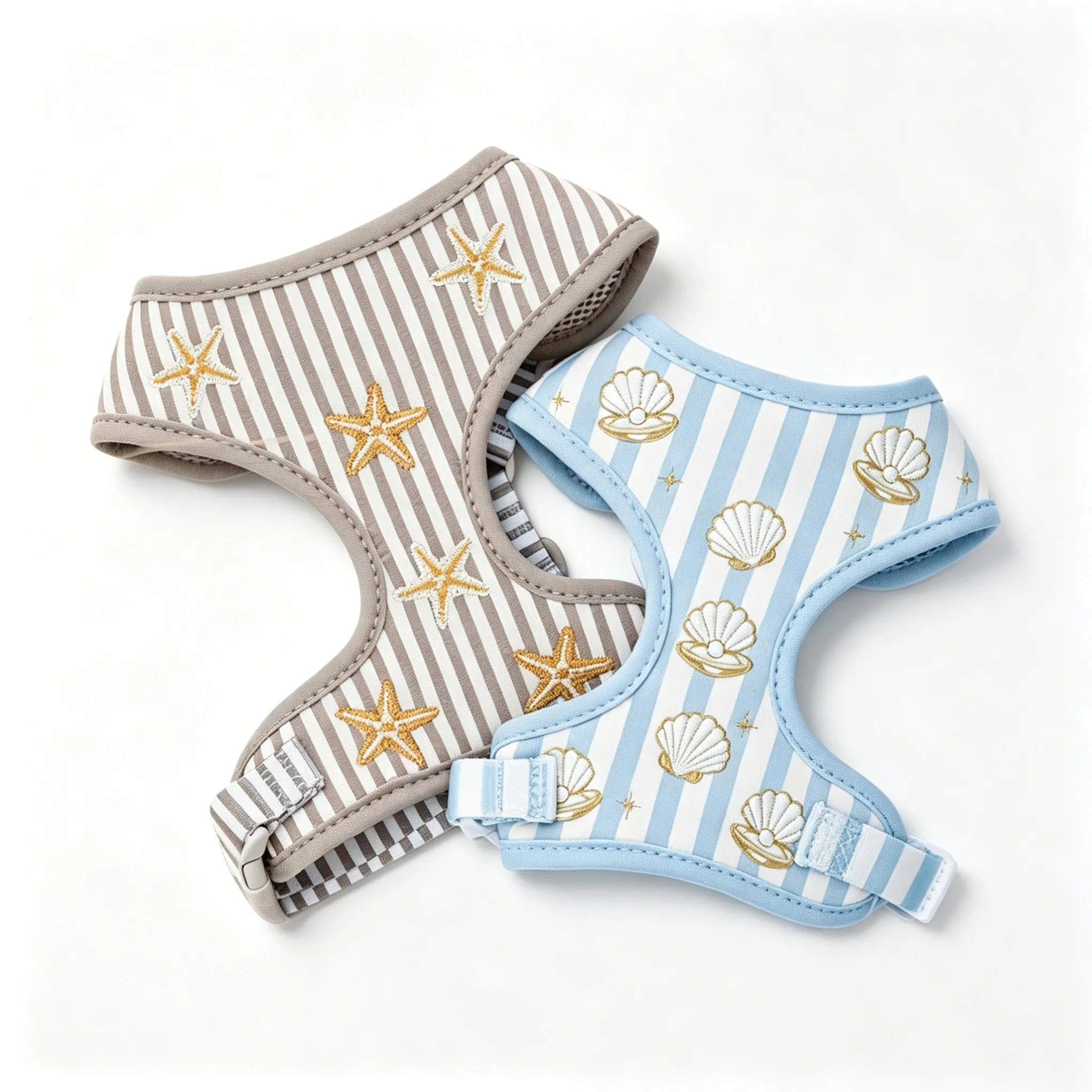
Material Consistency Creates Stronger Collections
Successful brands rarely mix unrelated materials within the same collection.
Instead, they create a consistent design language.
For example, one collection may include:
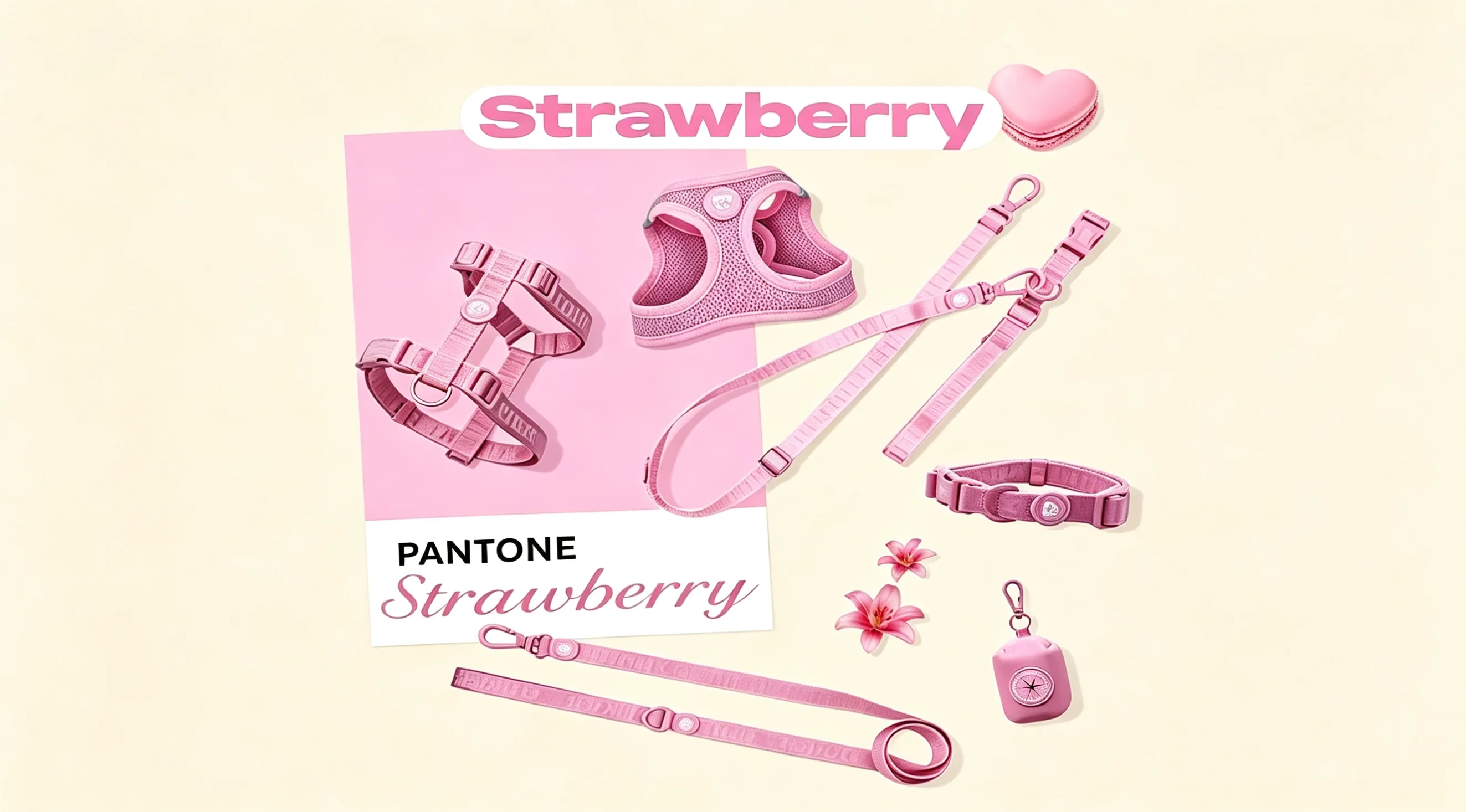
- Neoprene harness
- Matching jacquard leash
- Coordinated collar
- Waste bag holder
- Walking bag
Using similar fabrics, colours and hardware across every product creates a collection that feels complete rather than assembled from separate items.
This consistency also simplifies future product development.
Material Selection Can Reduce Product Returns
Product returns are expensive for every business.
Many quality issues are linked to unsuitable material choices rather than manufacturing defects.
Examples include:
- Fabric pilling after repeated use
- Poor colour fastness
- Weak webbing under tension
- Hardware corrosion
- Foam losing its shape
Testing materials before production helps reduce these risks and protects both the retailer and the end customer.
Why OEM Partners Should Be Involved Early
Some brands select materials independently before contacting a manufacturer.
However, experienced OEM partners can often recommend alternatives that improve performance while controlling cost.
During development, manufacturers can help evaluate:
- Material durability
- Manufacturing feasibility
- Sewing techniques
- Hardware compatibility
- Production efficiency
- Cost optimisation
This collaborative approach often produces better results than selecting materials based only on appearance.
Common Mistakes Growing Pet Brands Make
Many developing brands unknowingly reduce product quality by making one of these mistakes:
Choosing Materials Only by Price
Lower material costs may increase warranty claims and customer complaints.
Mixing Too Many Fabrics
Using too many unrelated materials can weaken collection identity and complicate production.
Ignoring Real User Experience
A fabric that looks attractive in photographs may not provide sufficient comfort or durability during daily use.
Copying Competitors Without Understanding Construction
Successful products are rarely defined by appearance alone.
Internal structure, reinforcement and material combinations often determine long-term performance.
Material Trends Influencing UK, EU and US Pet Brands
Several material trends continue to shape premium private label collections.
These include:
- Soft neutral colour palettes
- Sustainable recycled polyester where appropriate
- Premium jacquard branding
- Waterproof outdoor materials
- Lightweight breathable fabrics
- Mixed-texture collections combining soft padding with durable webbing
Rather than introducing dramatic design changes every season, many brands now update collections through refined material choices and coordinated accessories.
How JABARI PET Supports Material Development
At JABARI PET, we help pet brands develop products that combine attractive design with practical manufacturing solutions.
Our OEM and private label capabilities include:
- Material recommendations based on product positioning
- Neoprene, mesh and waterproof fabric sourcing
- Custom jacquard webbing development
- Hardware selection
- Colour coordination
- Sample development
- Flexible MOQ production
- Quality inspection throughout manufacturing
Our goal is not simply to manufacture products, but to help brands create collections that are durable, commercially competitive and ready for international markets.
Conclusion
In today's competitive pet industry, premium materials often create more value than completely new product designs.
Better fabrics, stronger hardware and consistent material choices improve customer satisfaction, strengthen brand identity and reduce long-term quality risks.
For private label pet brands, retailers and Amazon sellers, investing in thoughtful material selection is one of the most effective ways to build collections that stand out in the UK, European and US markets.
At JABARI PET, we work with customers to transform product ideas into reliable, high-quality OEM collections through practical material selection, flexible manufacturing and long-term product development support.